The history of the Nagarathars through faith, heritage, enterprise, and service
The story of the Nagarathars is a journey of tradition, devotion, trade, architecture, philanthropy, and cultural discipline carried forward across generations.
Historical Note
Nagarathar history is remembered through community traditions, temple records, oral narratives, and later historical documentation. The early phases are often described through traditional accounts, while the later periods are more clearly recorded through trade, architecture, institutional development, and community history.
The journey of the Nagarathars through time
Early mercantile roots and social identity
The Nagarathars, also widely known as the Nattukottai Chettiars, are traditionally remembered as a mercantile community with deep roots in trade, finance, social discipline, and temple-centered life. Community memory connects them with ancient commercial traditions of Tamilakam and a long history of organized settlement, devotion, and enterprise.
From the earliest remembered phase, the community is associated with strong internal organization, respect for religious institutions, and a disciplined approach to family, commerce, and social conduct.
Formation of a distinct cultural homeland
Over time, the Nagarathars became firmly associated with the Chettinad region of Tamil Nadu. This region emerged as the cultural heartland of the community and shaped much of what the world now identifies as Nagarathar heritage.
In Chettinad, the community developed organized settlements, temple-centered customs, family networks, structured marriage traditions, and a refined lifestyle that blended spirituality, aesthetics, practicality, and social order.
The importance of the nine clan temples
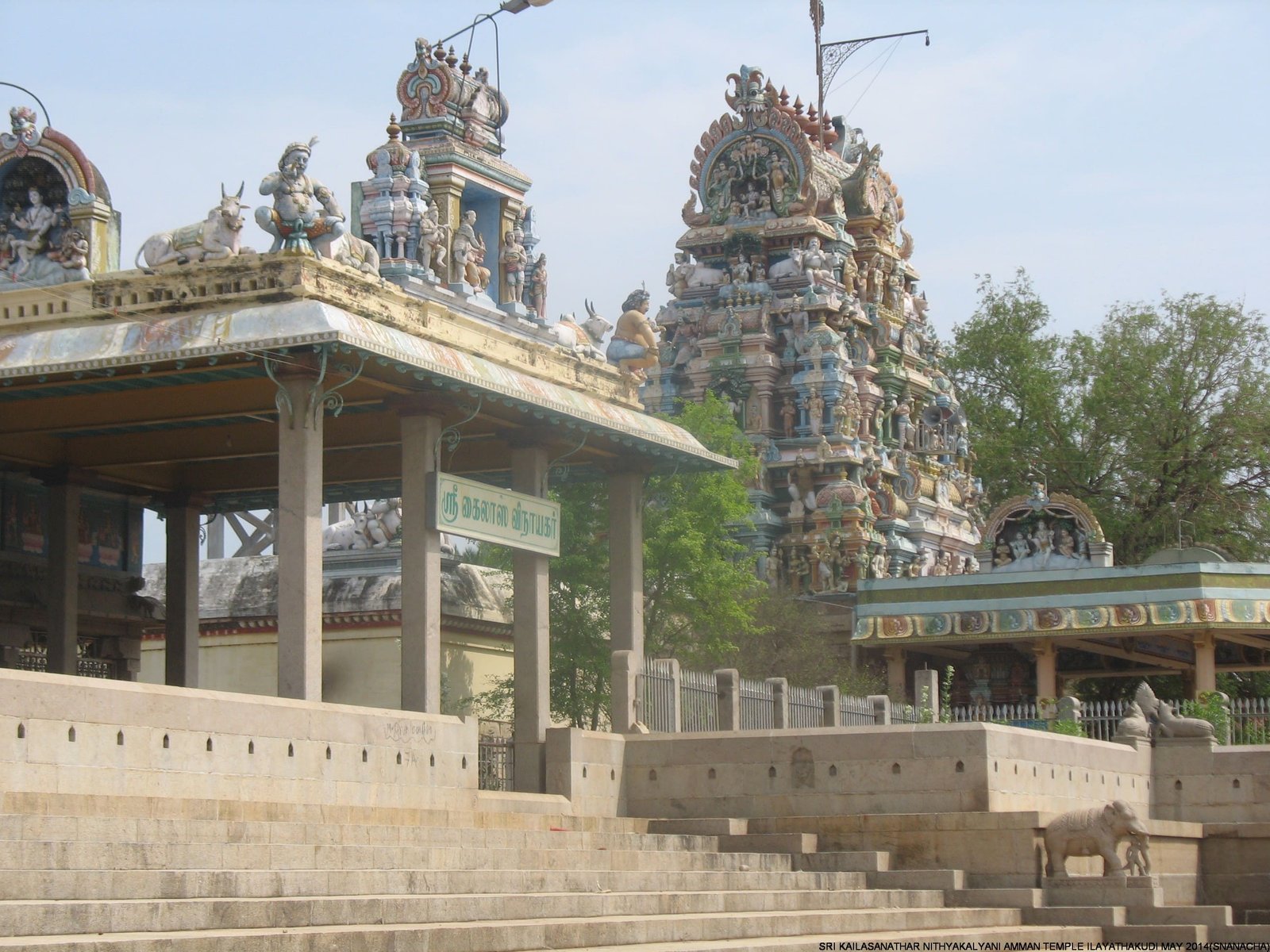
One of the strongest pillars of Nagarathar identity is the system of the nine clan temples. These temples are not merely places of worship; they are central to the social and spiritual structure of the community.
They shape lineage identity, marriage customs, ceremonial obligations, religious observances, and collective memory. Through temple festivals, family offerings, rituals, and annual worship, these sacred institutions continue to preserve continuity between past and present generations.
Temples and heritage
The temples of the Nagarathars continue to reflect devotion, lineage, sacred duty, artistic tradition, and collective identity, remaining central to community life even today.
Merchant-banking influence across regions
The Nagarathars emerged as one of South India’s most influential merchant-banking communities. Their knowledge of finance, credit, trade, accounting, and money-lending gave them a respected place in the economic world of South and Southeast Asia.
Their business presence spread into Burma, Malaya, Singapore, Ceylon, and other parts of the region, where they became known for reliability, discipline, and financial acumen.
Architecture, mansions, and cultural refinement
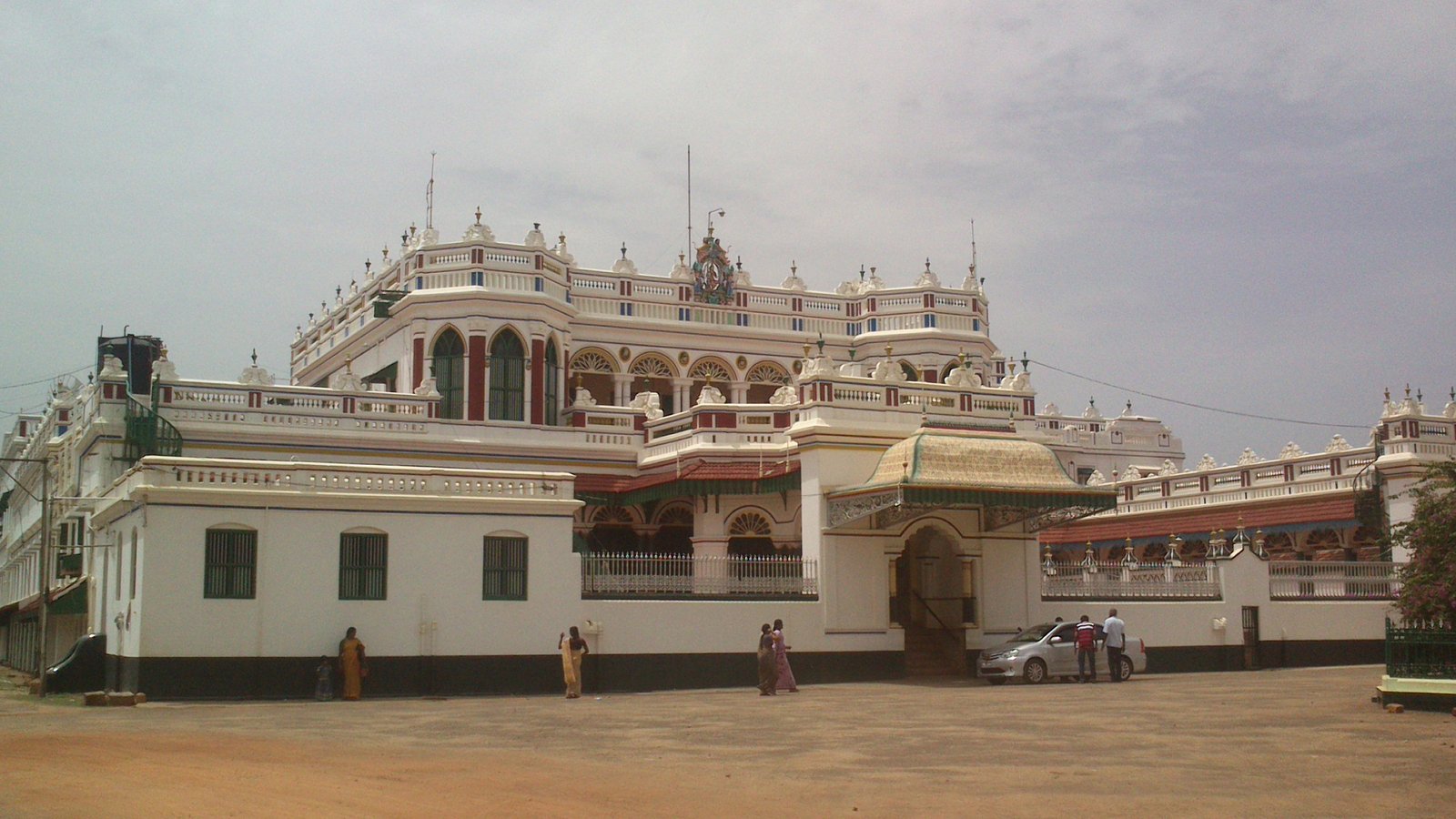
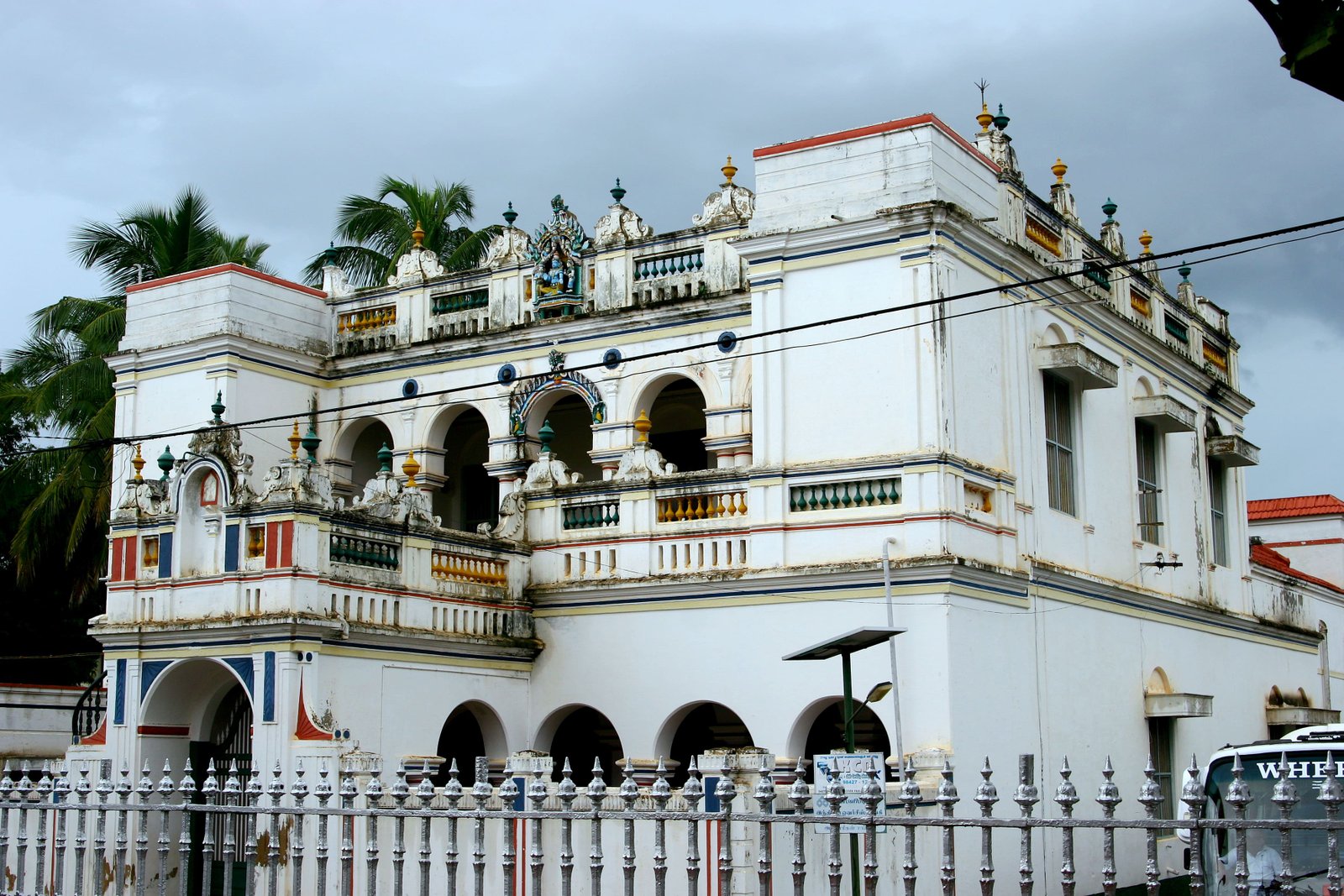
One of the most visible legacies of the Nagarathars is the magnificent architectural heritage of Chettinad. The community built grand mansions with long courtyards, carved pillars, decorated ceilings, imported materials, Athangudi tiles, and carefully planned ceremonial spaces.
These houses were not just residences; they were cultural statements reflecting prosperity, hospitality, ritual life, family structure, and artistic excellence. Even today, Chettinad architecture remains one of the strongest visual symbols of Nagarathar heritage.
Philanthropy, learning, and institution building
The Nagarathar legacy extends far beyond business. The community has made lasting contributions to education, charity, religion, and institution building. Through generosity and public-minded leadership, Nagarathar philanthropists helped establish schools, colleges, temples, endowments, and social welfare initiatives.
This spirit of service became one of the defining moral strengths of the community and remains an important part of its identity.
Preserving tradition in a changing world
In the modern era, the Nagarathars continue to preserve their identity through temples, festivals, social organizations, marriage customs, philanthropy, education, business, and community initiatives across India and abroad.
Today, Nagarathar history is not merely a record of the past. It is a living tradition carried through family memory, collective worship, cultural events, architecture, and continued service to society.
What makes Nagarathar history unique
Faith
Temple worship and sacred lineage traditions remain central to community identity.
Trade
A rich commercial heritage shaped the community’s reputation across regions.
Architecture
Chettinad mansions and interiors stand as timeless symbols of cultural refinement.
Service
Philanthropy, education, and institution building remain enduring values.
A living legacy of devotion, discipline, and unity
Nagarathar history continues to live in temples, homes, traditions, celebrations, family systems, and community institutions that preserve heritage for future generations.